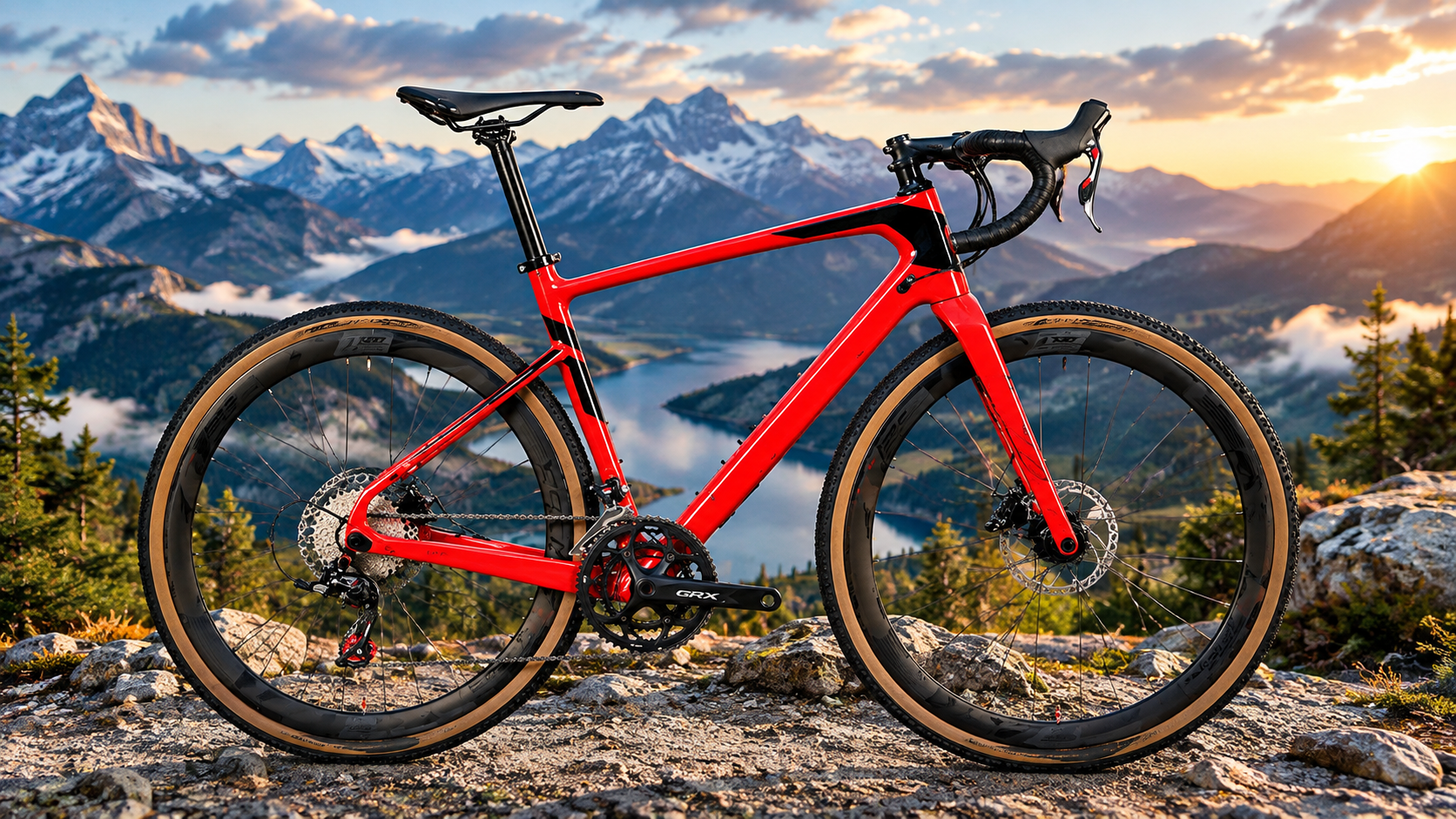
A $3,000 budget buys a genuinely capable road bike these days. It also buys a very disappointing one, depending on where that money actually goes. Drop most of it into a flashy groupset and skimp on the wheels or tires, and you’ll end up with a bike that looks fast on paper but doesn’t feel any different from something $1,000 cheaper.
The goal with an affordable carbon fiber road bike isn’t finding the lowest price tag on a carbon frame. It’s figuring out where $3,000 actually buys you speed, comfort, and handling — and where it just buys you bragging rights.
What Makes an Affordable Carbon Fiber Road Bike Worth Buying?
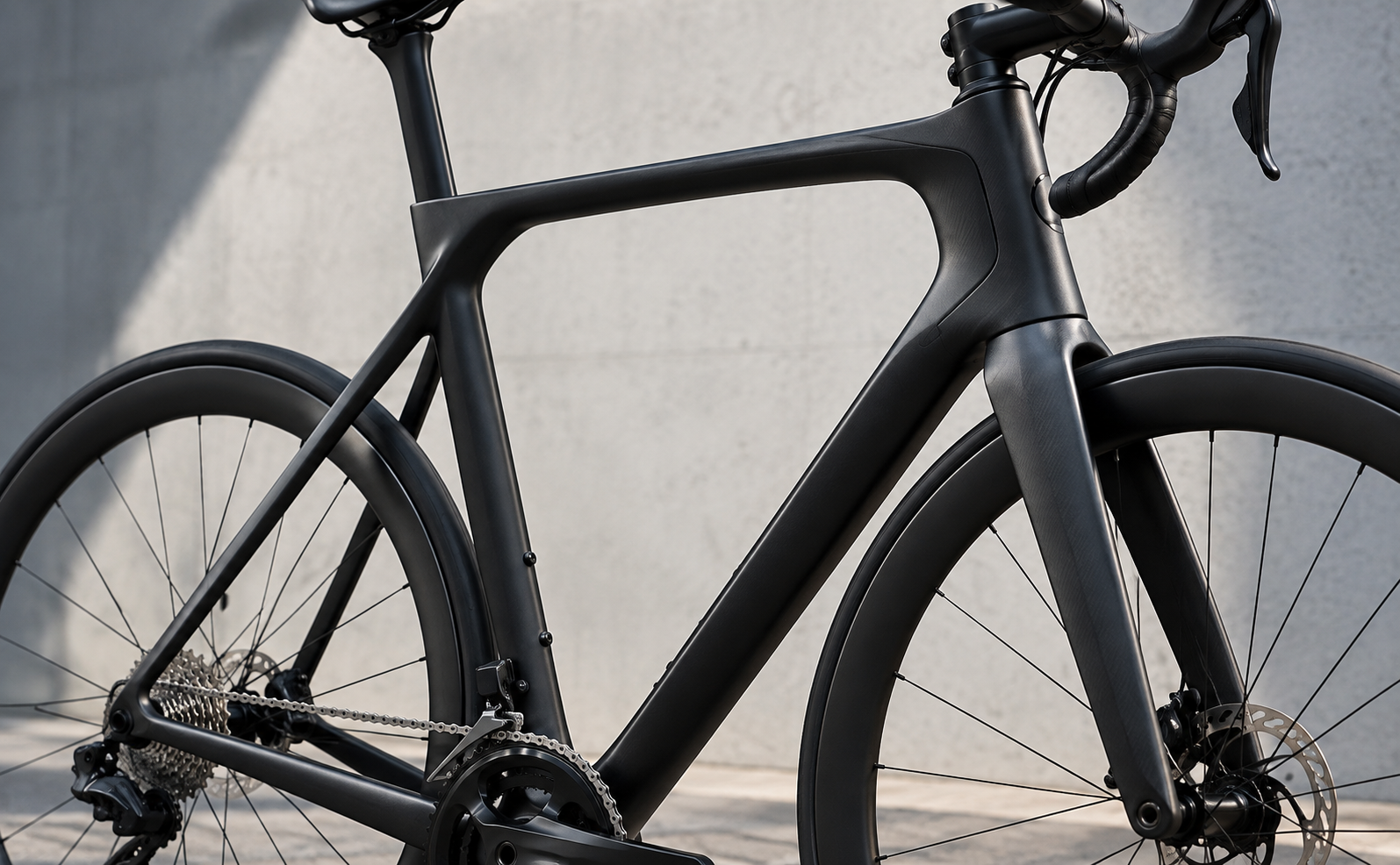
Carbon fiber gets marketed like a magic word, but the frame material alone doesn’t determine how a bike rides. What matters is how that carbon is laid up — the stiffness in the bottom bracket and head tube, the compliance built into the seat stays, the way the frame is shaped for aerodynamics, and the geometry that determines whether you’re comfortable after 60 miles or wrecked after 20.
Two frames can use the exact same grade of carbon and ride completely differently because one manufacturer tuned the layup for racing stiffness and the other tuned it for all-day comfort. Quality control matters too — a well-built frame from a mid-tier brand can easily outperform a poorly finished one from a bigger name. “Carbon” tells you the material. It doesn’t tell you whether the bike is any good.
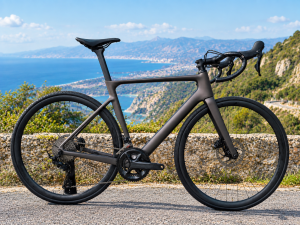
If you’re shopping for an affordable carbon fiber road bike, look beyond the frame material and compare the complete package. Frame geometry, tire clearance, wheel quality, drivetrain, braking, and fit all have a bigger impact on your everyday riding experience than a carbon label by itself.
Where Should You Spend a $3,000 Road Bike Budget?
Break it down into five buckets: frame and fit, wheelset, groupset, tires, and cockpit components. Most riders instinctively want to max out the groupset, since it’s the most visible upgrade and the one salespeople tend to push hardest.
That’s usually the wrong call. A bike that fits you properly, rolls on a solid wheelset, and runs good tires will outperform a bike with a flagship groupset bolted onto a mediocre frame and budget wheels. Fit and wheels move the needle more than most riders expect; the groupset mostly affects shifting feel and weight, which matter, just not as much as the other two.
| Budget Bucket | Why It Matters |
|---|---|
| Frame & Fit | Determines comfort, handling, and whether the bike suits your body |
| Wheelset | Affects acceleration, aerodynamics, and overall ride feel |
| Groupset | Shifting quality, braking feel, and weight |
| Tires | Rolling resistance, grip, comfort, puncture protection |
| Cockpit / Contact Points | Saddle, bar tape, and pedals — comfort over long rides |
Do You Really Need a High-End Groupset?
Not necessarily. Groupsets like Shimano 105 Di2 and SRAM Rival AXS deliver shifting and braking performance that would’ve been flagship-level a decade ago. They’re not identical to Dura-Ace or SRAM RED — those top-tier groupsets shave off grams, use more refined materials, and offer extra integration features. But the actual day-to-day experience of shifting gears and braking on a mid-tier electronic groupset is genuinely excellent.
If you’re comparing an affordable carbon fiber road bike with a more expensive race bike, this is where perspective helps. A mid-tier drivetrain can already provide excellent shifting and braking, leaving more of your budget available for wheels, tires, and fit.
Moving up the groupset hierarchy mostly buys you lighter weight, marginally crisper shifting, and sometimes built-in power meters. It’s a real upgrade — it’s just not the upgrade that transforms how a $3,000 bike rides. If you want to understand what you’re actually paying for with electronic shifting, our guide on how electronic shifting works breaks down the mechanics.
Why Wheels Can Transform an Affordable Road Bike
Wheels affect a bike’s feel more than most riders assume. Weight matters, but not just because it’s “rotating mass” — aerodynamics, rim depth, stiffness, and how a wheel responds to hard accelerations all shape how a bike feels under you. A stock wheelset on a budget carbon frame is usually the first thing worth upgrading, often before touching the groupset at all.
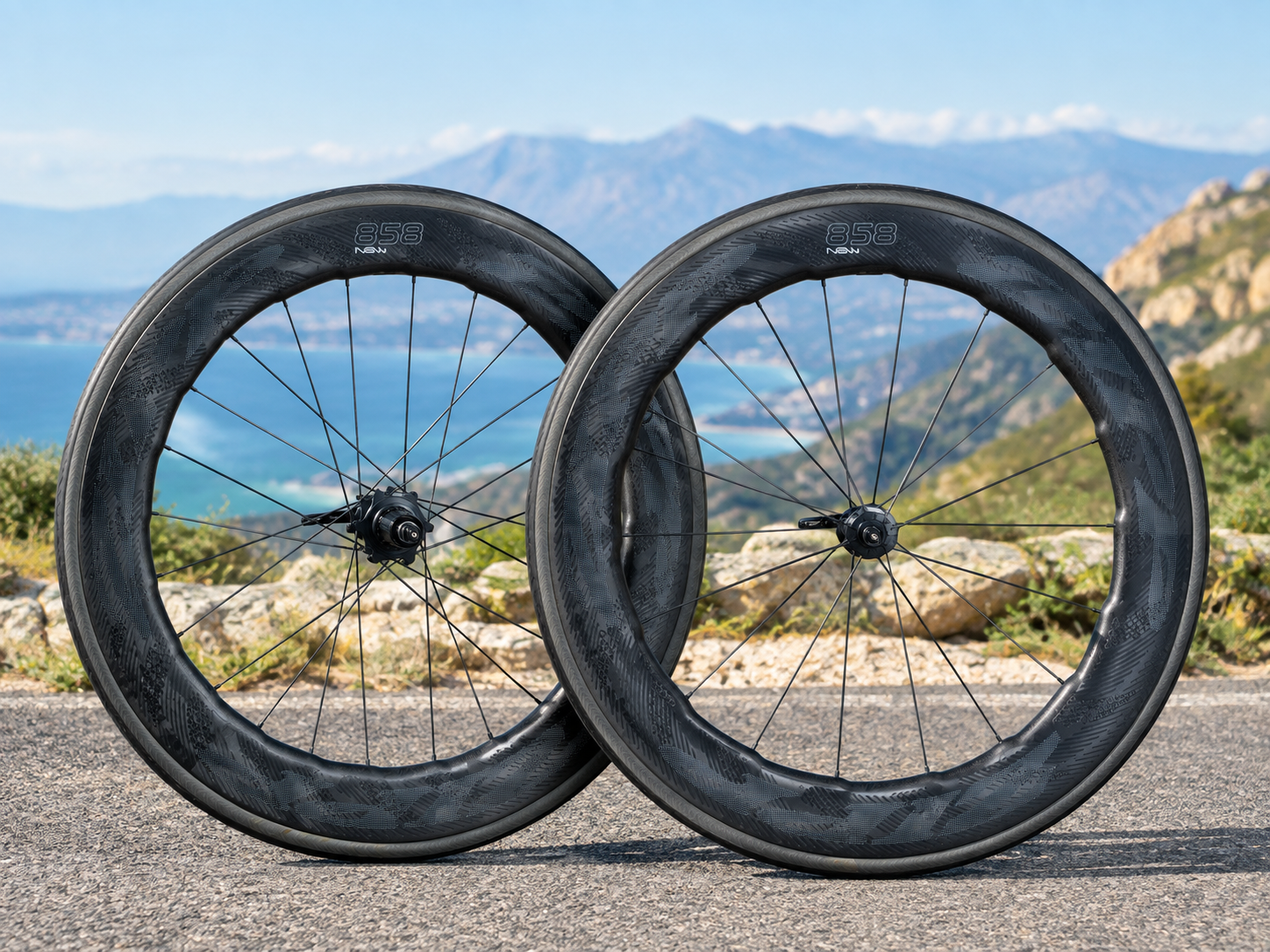
Deeper carbon wheels in the 40–50mm range are a popular performance-oriented option, especially for riders who spend time on flatter terrain where aero gains matter more. They’re not a universal answer, though — lighter, shallower wheels can be the better call for climbing-heavy routes. The right wheel depends on where you actually ride.
That’s one reason a well-spec’d affordable carbon fiber road bike can feel surprisingly close to a much more expensive bike in everyday riding. You don’t necessarily need the most expensive drivetrain if the money can be redirected toward the parts you notice every time you ride.
Don’t Cheap Out on Tires
Tires are the cheapest, most overlooked performance upgrade on any road bike. Rolling resistance, grip, comfort, and puncture protection all come down to tire quality, and a great tire on a modest bike will often outperform a mediocre tire on an expensive one. The Continental Grand Prix 5000 family is a widely respected example of a tire that balances low rolling resistance with real-world puncture protection — not a sponsored recommendation, just a genuinely well-regarded option worth researching.
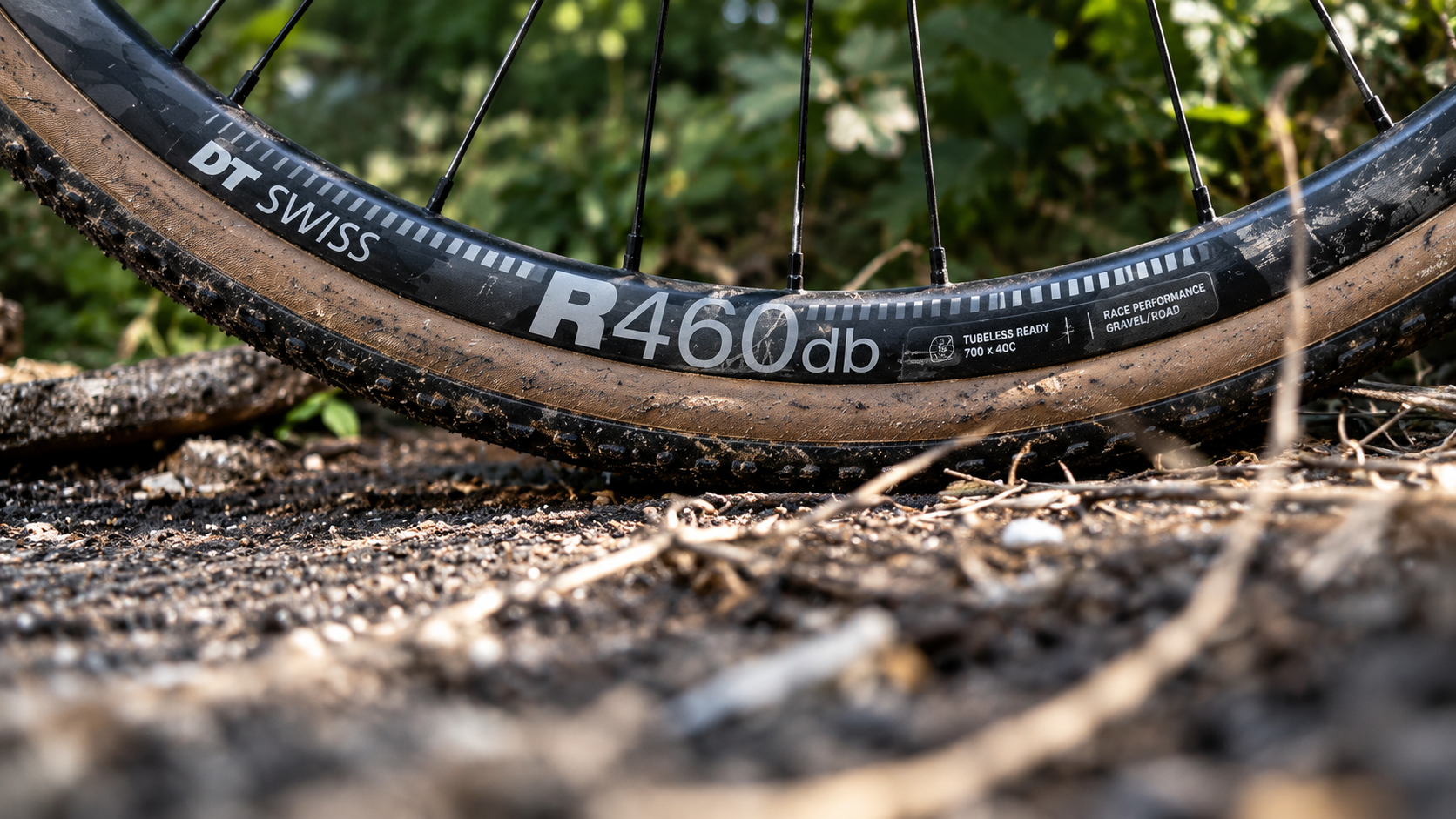
For an affordable carbon fiber road bike, the smart move is to choose tires based on the roads you actually ride. Smooth pavement and racing may justify a lightweight performance tire, while rougher roads and high-mileage riding can make a slightly wider tire with better puncture protection the better choice.
Complete Bike vs. Custom Build
A complete bike from the manufacturer is simpler: everything’s already matched, warranty coverage is straightforward, and you’re not troubleshooting compatibility issues yourself. It’s often the better value for riders who want to ride, not research spec sheets.
A custom build gives you control over exactly where the budget goes — prioritize wheels over groupset, or splurge on tires and keep the drivetrain modest. It can deliver better performance per dollar, but it puts the research and compatibility checking on you. Neither option is automatically smarter; it depends on how much of the process you actually want to manage yourself.
What a Smart $3,000 Build Actually Looks Like
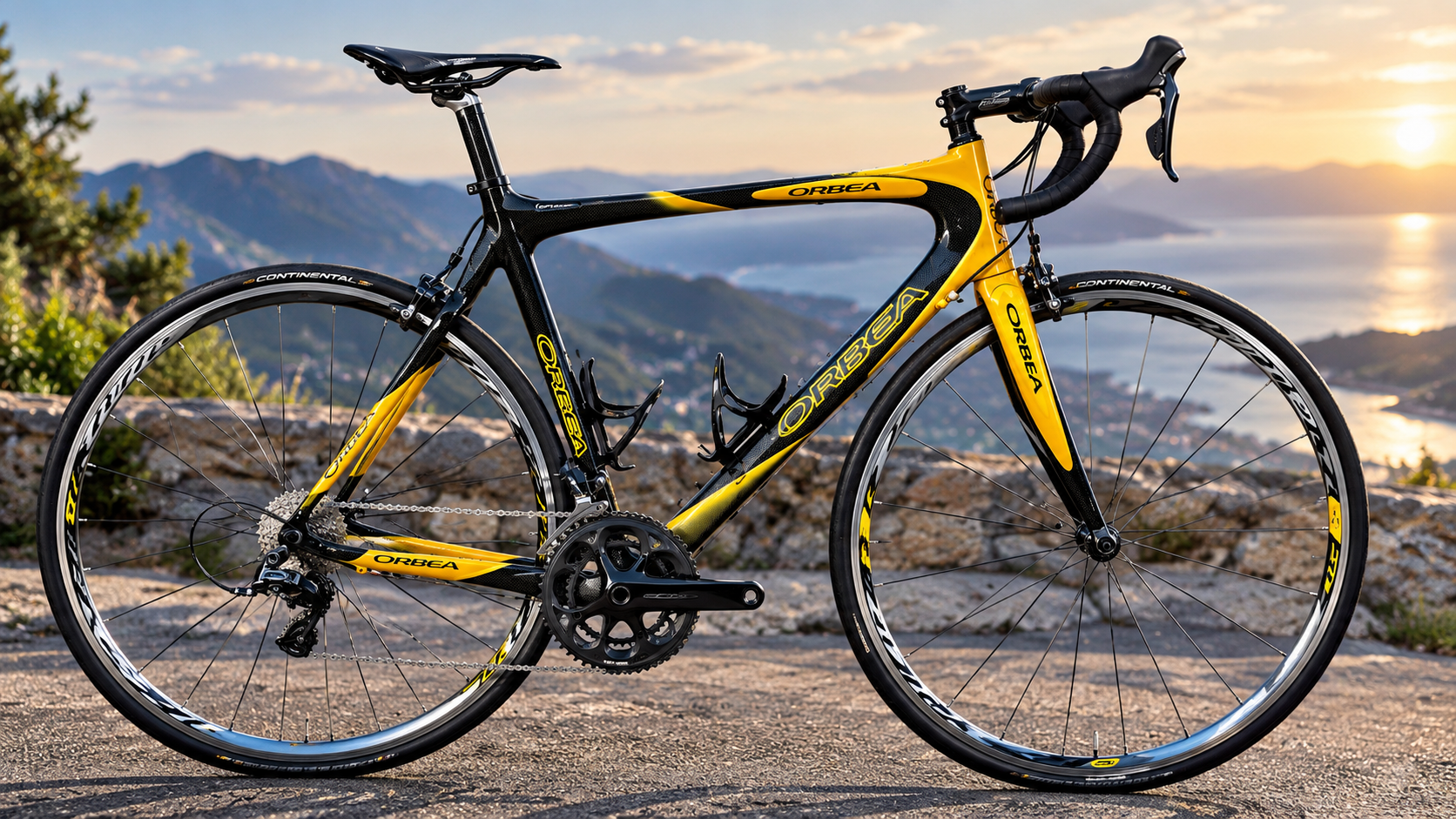
There’s no single perfect spec, but a balanced build generally includes a well-fitted carbon frame, a mid-tier mechanical or electronic groupset, a performance-oriented wheelset (carbon or a quality lightweight alloy), good tires, and solid finishing kit — bar tape, saddle, and pedals that actually suit your body and riding style. A proper bike fit matters here too; even the best components feel wrong on a bike that doesn’t fit.
The key is balance. If the frame consumes too much of the budget, the wheels may suffer. If the groupset takes up most of the money, the bike can end up with ordinary wheels and tires. For an affordable carbon fiber road bike, every major component should support the same goal: creating a bike that works well as a complete package.
Carbon Road Bikes Worth Checking
If you’re shopping around the affordable carbon road bike market, these eBay listings are useful examples of different carbon-bike configurations and price points. Specifications, availability, sizing, shipping, and pricing can change, so always check the current listing before buying.
Some links on this page may be affiliate links. BikeRushHub may earn a commission if you purchase through a qualifying link, at no additional cost to you.
These listings also show why comparing the whole bike matters. A lower-priced carbon frame isn’t automatically a bargain if you still need to add expensive wheels, drivetrain components, cockpit parts, and finishing kit. On the other hand, a complete bike can make the math much easier when the included components are already reasonably balanced.
Before buying any carbon bike online, check the frame size, brake type, drivetrain compatibility, wheel standard, tire clearance, return policy, shipping costs, and any applicable import charges. Those details can change the real value of an online deal significantly.
Contact points are easy to underestimate. A saddle that doesn’t work for your body will undo a lot of the performance gains from everything else — our best bike saddle for long-distance riding guide is worth a look before you finalize a build. And once you’re riding regularly, keeping the drivetrain in good shape protects the investment — how to wax a bike chain covers a simple way to do that.
The Bottom Line
You don’t need to spend $10,000 to get a genuinely capable road bike. But the smartest $3,000 purchase isn’t the one with the cheapest carbon frame, and it isn’t the one with the fanciest groupset either. It’s the build that balances frame fit, wheels, drivetrain, and tires into something that actually performs as a whole — not just on a spec sheet.
That’s what makes an affordable carbon fiber road bike such a compelling option for riders who want serious performance without paying superbike money. Whether you choose a complete bike or build one yourself, the goal should be the same: spend the money where you’ll actually feel the difference every time you ride.
Frequently Asked Questions
What is the best affordable carbon fiber road bike?
There’s no single “best” affordable carbon fiber road bike. The right choice depends on your terrain, riding style, frame size, budget, and whether you prioritize a complete build or want to customize components yourself. Focus on frame fit and wheel quality first.
Is a $3,000 carbon road bike worth it?
For most recreational and serious amateur riders, yes. At this price point you can get a well-built carbon frame, a reliable groupset, and decent wheels — a meaningful step up from entry-level aluminum bikes without reaching professional-tier pricing.
Can a $3,000 road bike compete with more expensive bikes?
It can perform very well and close most of the practical gap, but it won’t match a $10,000+ superbike in every measurable way — weight, aerodynamic refinement, and top-tier groupset features will still favor the more expensive bike.
Is carbon fiber better than aluminum for a road bike?
Carbon generally offers a better strength-to-weight ratio and more design flexibility for comfort and stiffness tuning, but a well-designed aluminum frame can still outperform a poorly designed carbon one. Frame quality matters more than material alone.
Should I spend more money on wheels or the groupset?
For most riders, wheels offer a bigger noticeable improvement in how a bike feels and performs than moving up the groupset hierarchy. A solid mid-tier groupset paired with a better wheelset usually beats a flagship groupset on stock wheels.
