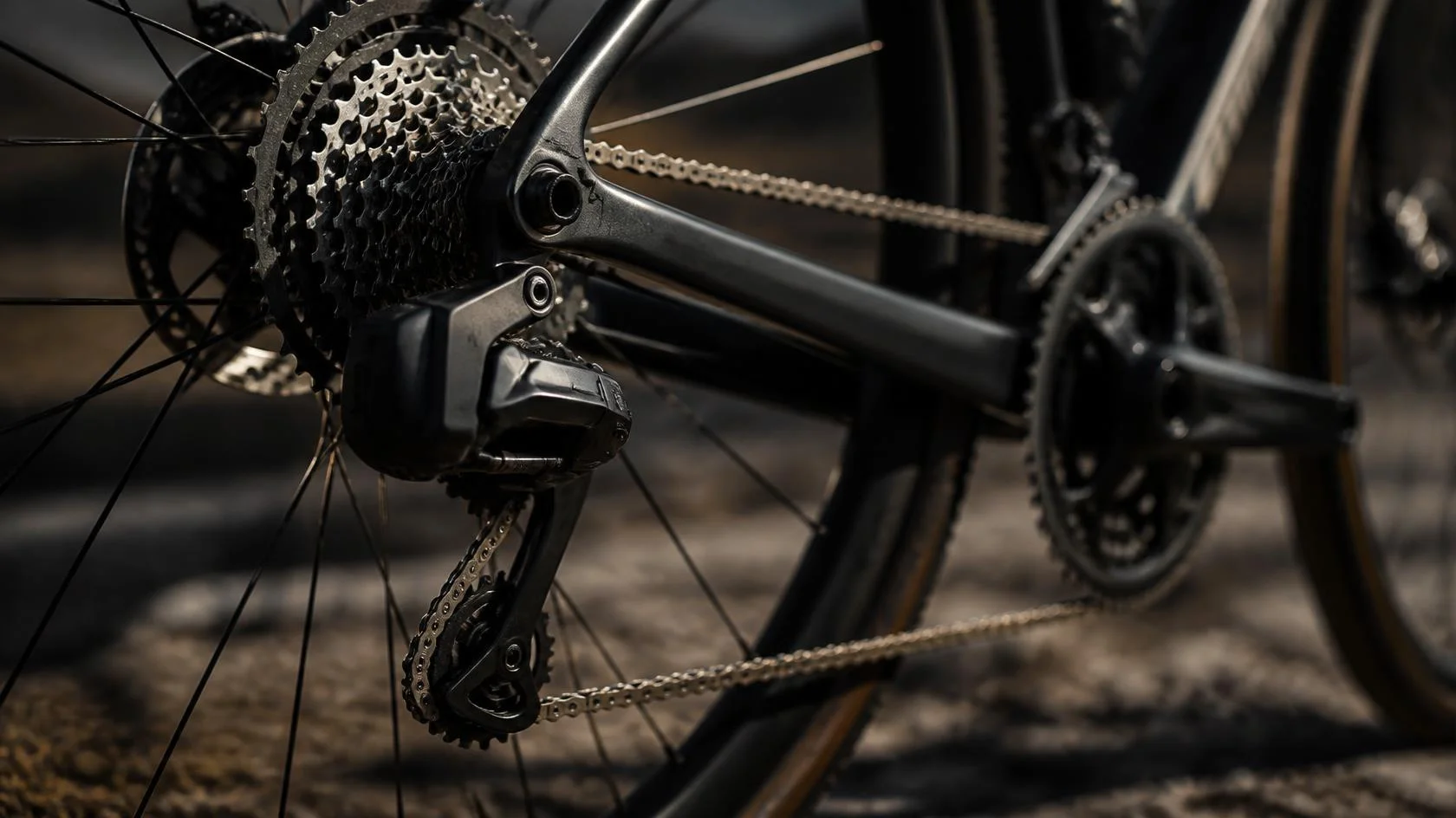
How Electronic Shifting Works on a Bike
You tap a small button on your handlebar, and half a second later your derailleur has already moved the chain to the next gear. No cable to pull, no lever to click through its travel — just a quiet whir and a clean shift. If you’ve ever wondered how a button that small can talk to a derailleur that fast, you’re really asking how electronic shifting works, and the answer is more straightforward than it looks from the saddle.
Quick Answer
Electronic shifting replaces a mechanical cable with an electronic signal. When you press the shifter, that signal travels to a small motor inside the derailleur, and the motor physically moves the chain to a precise, pre-programmed position. Shimano Di2 and SRAM AXS are the two systems most riders encounter, but they aren’t identical under the hood.
Electronic shifting has gone from a pro-peloton novelty to a mainstream option on road, gravel, and mountain bikes. But a lot of riders still aren’t sure what’s actually happening inside the system every time they shift. This guide breaks it down step by step, in plain language, so you understand exactly what’s going on between your thumb and your rear derailleur.
Electronic shifting uses electronic signals and a motor-driven derailleur to change gears precisely.
What Is Electronic Shifting?
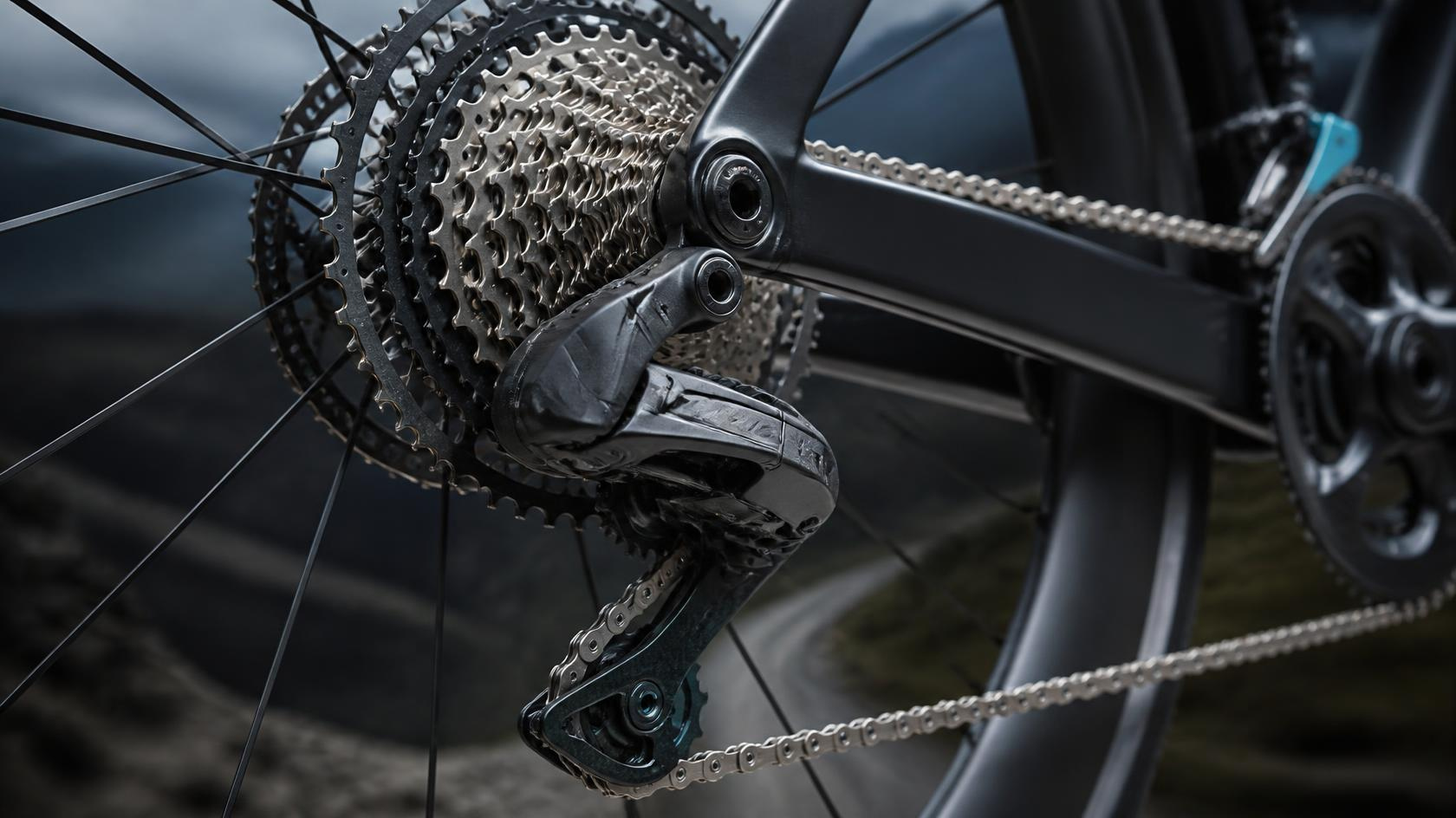
Electronic shifting is a drivetrain system that replaces the mechanical shift cables found on traditional bikes with electronic signals. Instead of pulling a cable to physically move the derailleur, you press a button. That button sends a signal to a small motor inside the derailleur, and the motor does the physical work of moving the chain.
The two most recognized examples on the market are Shimano Di2 and SRAM AXS, though it’s worth noting these are examples of electronic shifting, not the only implementations of it. Different systems, generations, and configurations can work in slightly different ways, so the details below describe the general concept rather than any single manufacturer’s exact engineering.
How Electronic Shifting Works
At a high level, every electronic shift follows the same basic sequence, whether you’re riding a Di2-equipped road bike or an AXS-equipped gravel rig:
- Rider presses the shift button.
Unlike a mechanical lever, there’s no cable tension involved — it’s closer to pressing a button on a remote control. - The shifter sends an electronic signal.
Depending on the system, this signal travels through a wire or wirelessly to the derailleur. - The system processes the command.
The receiving component confirms which direction to shift and by how much. - The derailleur’s motor engages.
A small internal motor inside the derailleur activates in response to the signal. - The derailleur moves the chain.
The motor repositions the derailleur cage, guiding the chain onto the next cog or chainring. - The system stops at the programmed position.
Because the shift points are digitally set rather than relying on cable tension, the derailleur lands in the same precise spot every time.
That last point is a big part of why electronic shifting has a reputation for consistency. A mechanical system can drift out of adjustment as cables stretch or housing wears; an electronic system holds its programmed position until you or a mechanic intentionally change it.
If you’re also keeping up with the rest of your bike’s drivetrain maintenance, it’s worth paying attention to the chain itself. Proper chain care can make a noticeable difference in drivetrain performance and longevity. Check out our guide on
How to Wax a Bike Chain
for another approach to keeping your drivetrain clean and running smoothly.

The derailleur motor performs the physical movement that changes the gear.
What’s Inside an Electronic Shifting System?
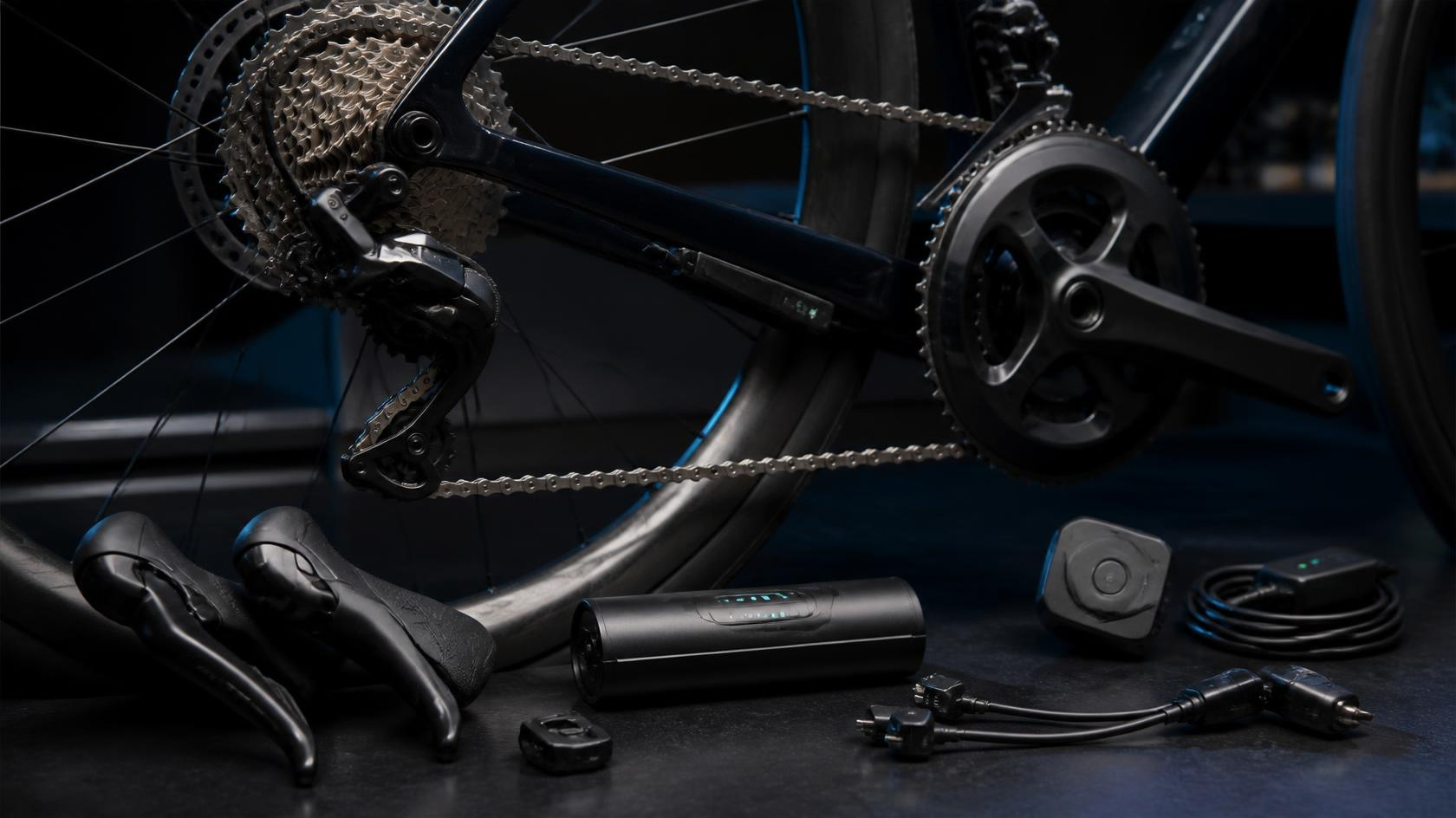
A typical electronic shifting setup is built from a handful of core components:
- Shifters — buttons or paddles that send the shift command, mounted where a traditional lever would be.
- Rear derailleur — houses a motor that moves the chain across the cassette.
- Front derailleur — on bikes with a front chainring setup, works the same way as the rear, but for the front gears.
- Battery or batteries — power the motors and electronics.
- Wiring or wireless communication — the pathway the shift signal travels along.
- Charging system — a port or removable battery for recharging.
- App or firmware controls — many modern systems let you adjust shift speed, button function, or update firmware.

Shimano Di2 vs SRAM AXS
Since these two names come up constantly in any discussion of how electronic shifting works, it’s worth a quick, beginner-level comparison — without turning this into a full product review.
Shimano Di2 has historically used a wired or semi-wireless architecture, where components communicate over physical wiring and draw power from a shared battery. SRAM AXS, by contrast, was built around a wireless approach, with compatible components communicating wirelessly with the shifters.
Both approaches accomplish the same core task — turning a button press into a precise chain movement — they just go about the wiring and power differently. Specific generations of Di2 and AXS have changed over time, and configurations can vary between road, gravel, and mountain bike versions, so it’s always worth confirming current specifications directly through the manufacturer before making a decision.
Electronic vs Mechanical Shifting
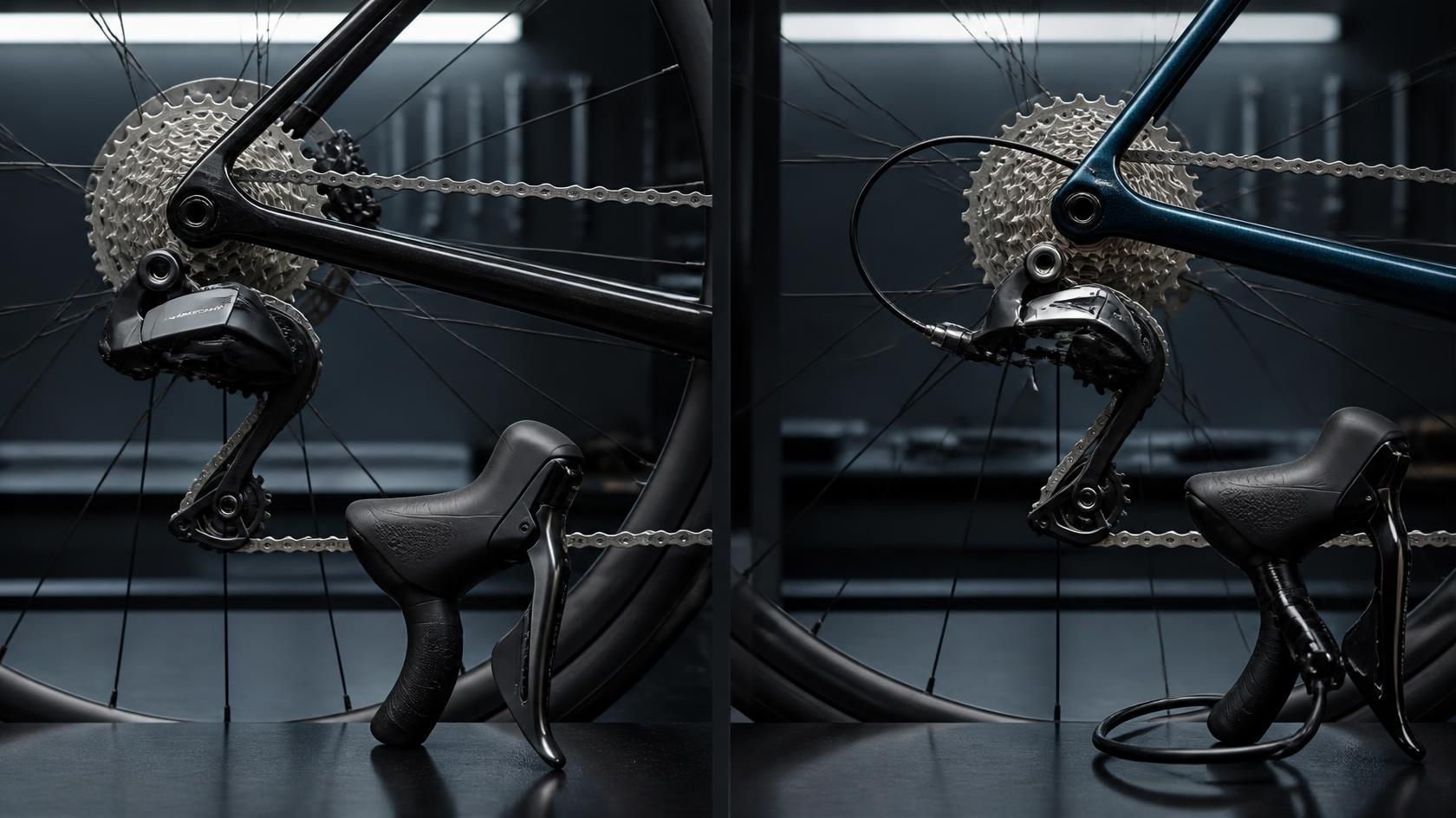
| Category | Electronic Shifting | Mechanical Shifting |
|---|---|---|
| Shifting mechanism | Motor-driven derailleur | Cable-pulled derailleur |
| Rider input | Button press | Lever movement |
| Battery requirement | Yes | No |
| Cable requirement | None or minimal depending on system | Shift cable and housing required |
| Setup | Often simpler once installed | Requires cable tensioning and indexing |
| Maintenance | Less frequent adjustment; occasional charging | Periodic cable and housing replacement |
| Shifting consistency | Highly consistent once properly adjusted | Can drift as cables and housing wear |
| Customization | Adjustable through compatible apps on many systems | Mostly mechanical adjustment |
| Cost | Generally higher upfront cost | Generally more affordable |
Pros and Cons of Electronic Shifting
Pros
- Consistent, precise shifts
- Light shift-button effort
- Fewer mechanical cable parts
- App-based customization on many systems
Cons
- Requires charging and battery management
- Generally more expensive
- Can be less DIY-friendly when troubleshooting electronics
- More electronic complexity
Is Electronic Shifting Worth It?

There’s no single right answer here — it really comes down to what kind of riding you do and what you value.
- Racers often value shift speed and consistency.
- Long-distance riders may appreciate the light button effort over many hours.
- Gravel riders can benefit from reliable electronic shifting in rough terrain.
- Recreational riders may see electronic shifting as a nice-to-have.
- Commuters may prioritize simplicity and low maintenance.
- Beginners are often well served by a mechanical drivetrain.
- Budget-conscious riders can usually get more value from mechanical shifting.
Important Note
Specific battery life, pricing, and compatibility details change between generations and model years. Always check current specifications directly with Shimano or SRAM before buying.
If you’re a racer or simply enjoy following the cycling scene, you can also check our
Upcoming Cycling Races
calendar to find upcoming events, race dates, and locations.
FAQ
Does electronic shifting need to be charged often?
Charging frequency depends on the specific system and how much you ride. Check your system’s documentation for its actual battery life and charging guidance.
Can I convert a mechanical bike to electronic shifting?
In many cases yes, although compatibility depends on your frame, groupset, and specific electronic system.
Is electronic shifting more reliable than mechanical?
Electronic systems can maintain their adjustment consistently because they don’t rely on shift-cable tension, but they introduce batteries and electronic components that require their own maintenance.
Final Takeaway
Electronic shifting comes down to a simple trade: you’re exchanging a cable-and-tension system for a button-and-motor system. The result can be consistent shifting, light button effort, and less mechanical adjustment, but at a higher upfront cost and with the added responsibility of keeping the system charged.
