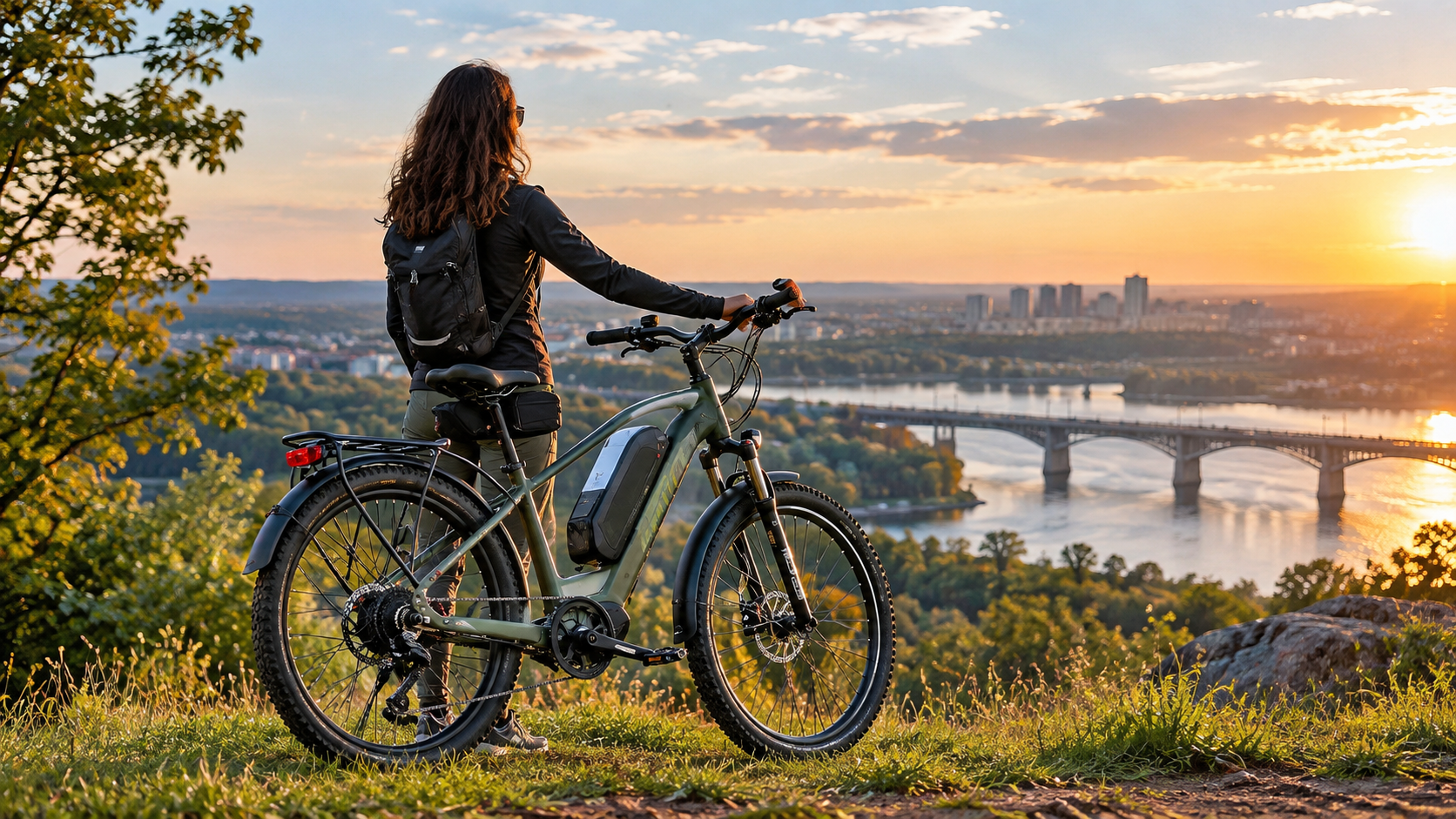
If you want to know how to buy an e-bike in 2026, start with the three things that matter most: the motor, the battery, and the quality of the components.
Walk into any bike shop right now and you’ll see e-bikes ranging from $600 to $6,000, all claiming to be exactly what you need. Most of that price range comes down to how those key components are built and where the manufacturer cuts costs.
This guide explains how to buy an e-bike without getting distracted by flashy specifications, unrealistic range claims, or features you may never use. We’ll cover what actually matters when you’re buying an e-bike, the red flags that mean you should walk away, and which brands are worth your money at different budgets in 2026.
How to Buy an E-Bike: What to Look For
Motor Power and Placement
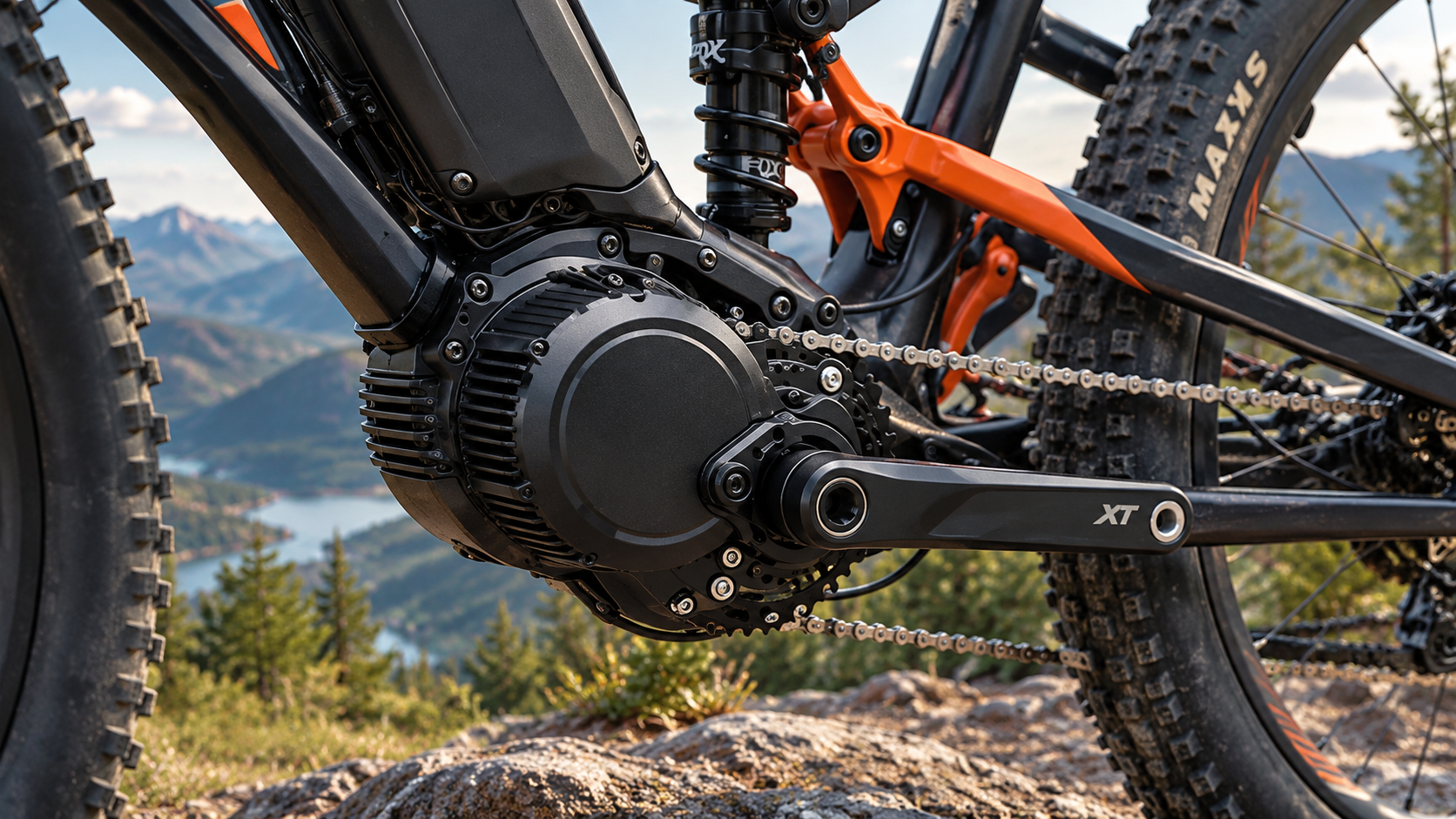
The motor is the heart of the bike, and where it sits matters as much as how strong it is. Mid-drive motors sit near the pedals and drive the chain directly, which gives better balance and noticeably better hill-climbing since the motor can use the bike’s existing gears.
Hub motors sit inside the front or rear wheel. They’re simpler, cheaper to build, and totally fine for flatter commutes. When you’re learning how to buy an e-bike, understanding this difference is one of the first decisions worth making.
For most riders, 250–500W covers it. Anything advertised well above 750W is worth double-checking against your local e-bike laws — a lot of states classify e-bikes by wattage and top assisted speed, and going over those limits can affect where you’re legally allowed to ride it.
Battery Capacity, Range, and Safety
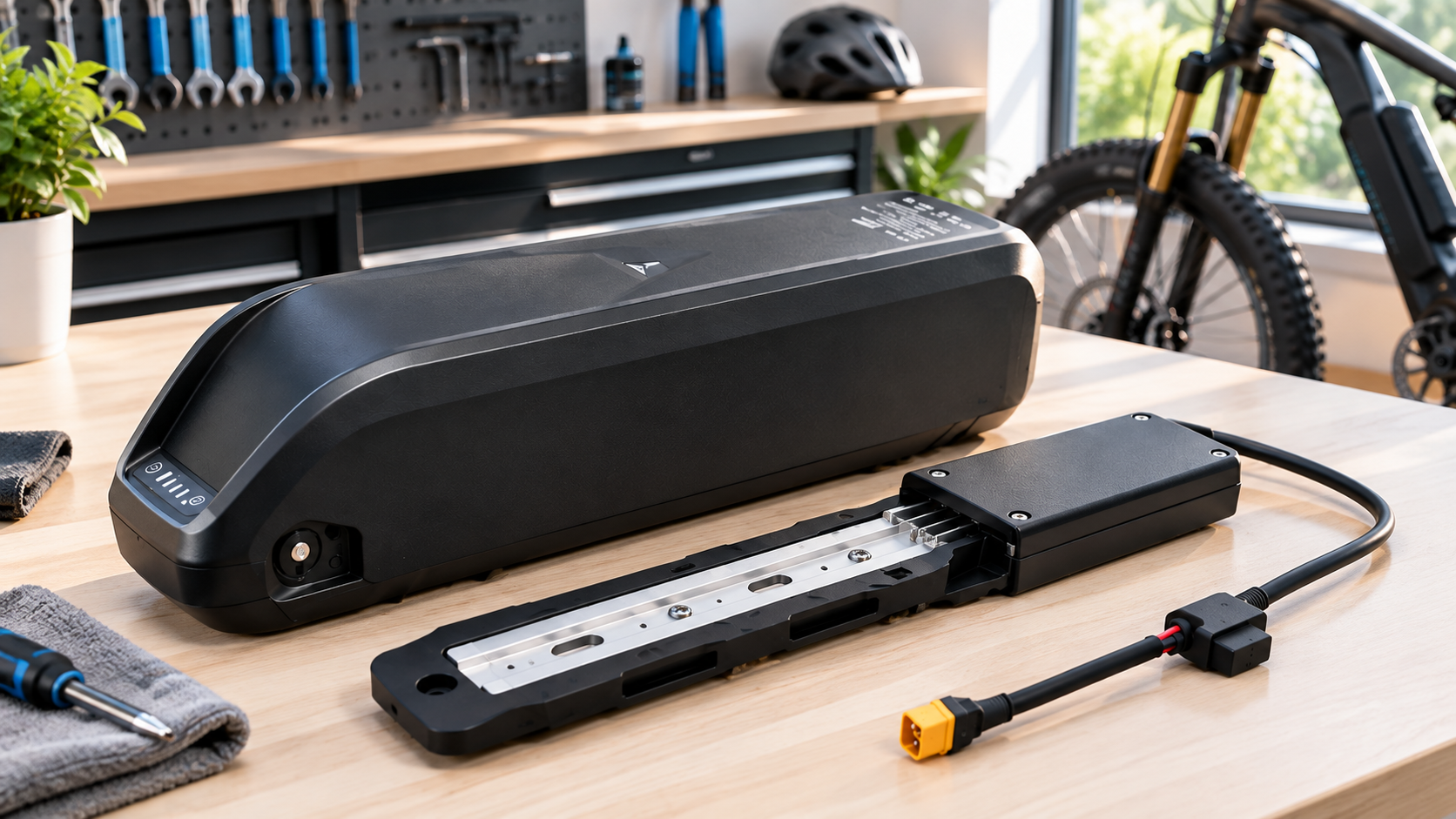
Battery size is measured in watt-hours (Wh), and that number is what actually determines range — not the marketing copy. A 400–500Wh battery typically gets you 30–50 miles per charge under normal conditions, though hills, rider weight, and how much you lean on the throttle versus pedal-assist will move that number around a lot.
If you’re figuring out how to buy an e-bike for commuting, pay close attention to your expected daily distance rather than simply choosing the bike with the biggest advertised battery. Real-world riding conditions can have a major effect on range.
A removable battery is worth prioritizing — it makes charging easier if you don’t have an outlet near where you park the bike, and it’s a lot harder to steal a battery that’s locked separately from the frame.
On battery safety: e-bike battery fires have become a real enough problem that New York City and other cities now require certification before a bike can legally be sold or rented there.
The standard to look for is UL 2849, which tests the battery, motor controller, and charger together as a full system rather than just checking the battery cell on its own.
If a listing doesn’t mention UL 2849 (or the battery-specific UL 2271) anywhere, that’s worth asking about directly before you buy — especially on off-brand listings.
Frame Quality and Components
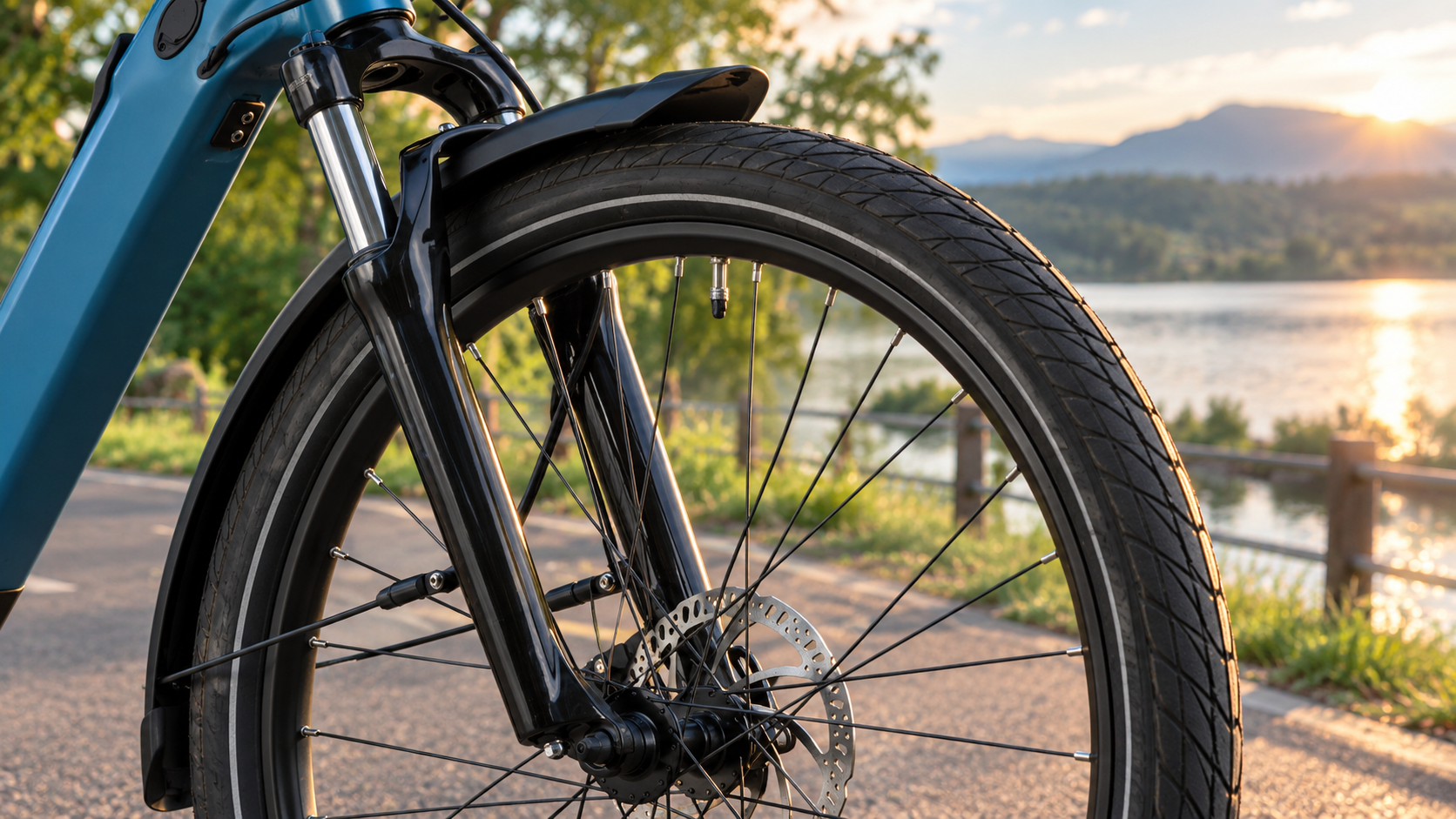
Aluminum frames hit the sweet spot of weight and durability for most riders and most budgets. Carbon fiber shaves off weight but adds real cost, and on an e-bike — where the motor and battery already add weight — the savings matter less than on a road bike.
Beyond the frame, check for hydraulic disc brakes (non-negotiable at e-bike speeds and weights), a drivetrain from Shimano or SRAM rather than an unbranded one, and puncture-resistant tires if you’ll be commuting daily.
A saddle and grips that actually fit your body matter more than they sound like they would — you’ll notice on ride two, not ride one. These practical details are easy to overlook when you’re focused on specifications and price.
Display and Controls
Most 2026 e-bikes come with an LCD or LED display showing speed, battery level, and assist mode, with controls simple enough to adjust without looking away from the road.
Smartphone connectivity is a nice-to-have, not a deciding factor. A bike with a dead-simple, reliable display beats one with a flashy app that occasionally disconnects mid-ride.
Red Flags: What to Avoid When Buying an E-Bike
Knowing how to buy an e-bike also means knowing when not to buy one. A low price can look attractive, but some warning signs are more important than saving a few hundred dollars.
- E-bikes priced well under $500.
That price usually comes from cutting corners on the battery cells, which is exactly the part you don’t want cut corners on. - Brands with no U.S. warranty or support.
If something breaks — and eventually something will — you want a real path to a replacement part or a repair, not a support inbox that never replies. - Non-standard, proprietary parts.
If your local shop can’t source a replacement tire, brake pad, or battery for it, a routine repair turns into a multi-week wait on a part from overseas. - Range claims that don’t hold up to basic math.
A 300Wh battery isn’t getting you 60 miles under normal pedal-assist riding. If the number sounds too good, it usually is.
Best E-Bike Brands by Budget
Budget-Friendly Options ($600–$1,200)
Ancheer
is a solid pick for casual riders who want to try an e-bike without a big commitment — their folding models work well for anyone tight on storage space.
Swagtron
has built a reputation for reliability at this price point, with decent components and a realistic ~20-mile range.
NAKTO
leans into classic cruiser styling, which suits neighborhood rides and beach paths more than daily commuting.
Mid-Range Excellence ($1,200–$2,500)
Rad Power Bikes
is the default recommendation for a reason — sturdy build quality, genuinely good customer service, and models for nearly every use case. The RadRunner in particular has built a loyal following.
Aventon
pairs a more stylish look with solid real-world performance; the Pace 500 punches above its price point on both speed and range.
Ride1Up
sells direct-to-consumer, which means more spec for the dollar if you’re comfortable buying online rather than through a local dealer.
Premium Performance ($2,500+)
Specialized‘s
Turbo Vado
and
Turbo Levo
lines use proprietary motors and refined geometry, backed by an actual dealer network if something needs service.
Trek
pairs Bosch motor systems with an industry-leading warranty, and the Allant+ series is built with serious commuters and light touring in mind.
Looking for an E-Bike Deal?
If you’re comparing e-bikes online, it’s worth checking current marketplace listings alongside the major bike brands.
Prices and availability can change quickly, so compare the complete specification, warranty, battery certification, and seller reputation before buying.
If you’re weighing an e-bike against building up your own conversion, our guide on
the best e-bike conversion kits
covers what that route actually costs versus buying complete.
And if motor specs and terms like torque and cadence sensors still feel like a foreign language,
our breakdown of the best e-bike motors in 2026
goes deeper into that side of things.
How to Buy an E-Bike: Making Your Final Decision
Test ride before you buy if you can — no spec sheet fully captures how a bike actually feels once you’re on it.
Think honestly about your primary use case, too: a bike built for daily commuting needs different priorities (range, weather resistance, a rack) than one meant for weekend trail rides.
Factor in local service availability as well. Even the most reliable e-bike eventually needs a tune-up, and it’s a lot easier when there’s a shop nearby that actually knows the brand.
If you’re still learning how to buy an e-bike, don’t let a long specification sheet make the decision for you. Focus first on the motor, battery, brakes, warranty, and whether the bike actually fits the way you plan to ride.
If you’ll be commuting in low light, it’s worth budgeting for a proper light set from day one rather than treating it as an afterthought —
this review of the GearLight S400 Pro rechargeable bike light set
is a good place to start.
And regardless of what you ride, a properly fitted helmet is worth getting right —
here’s what to look for in an adjustable adult bike helmet
.
The right e-bike balances your budget, your actual use case, and the quality of the parts that matter most — motor, battery, brakes.
Whether that lands you on a budget-friendly Ancheer or a premium Trek, prioritize safety and warranty coverage over spec-sheet bragging rights.
The market’s matured a lot by 2026 — there’s a genuinely solid option at every price point now.
The key is knowing how to buy an e-bike based on your actual needs rather than buying the bike with the biggest numbers on the page.
The same “spend where it actually counts” logic applies outside of e-bikes too — if you’re also weighing a traditional road bike purchase,
our guide on
Affordable Carbon Fiber Road Bike: Get More for $3,000
breaks down the same budget-allocation thinking for a carbon build.
For more on battery and electrical system certification,
UL Solutions’ page on the UL 2849 standard
is a useful reference.
Some links on BikeRushHub.com may be affiliate links. If you make a purchase through one of these links, we may earn a commission at no additional cost to you. This helps support the site and our cycling content.
Frequently Asked Questions
How much should I spend on my first e-bike?
For most first-time buyers, the $1,200–$2,000 range delivers the best balance of reliable components, real-world range, and brand support without overpaying for features you may not use.
What’s the difference between a mid-drive, hub and Rear rack motor?
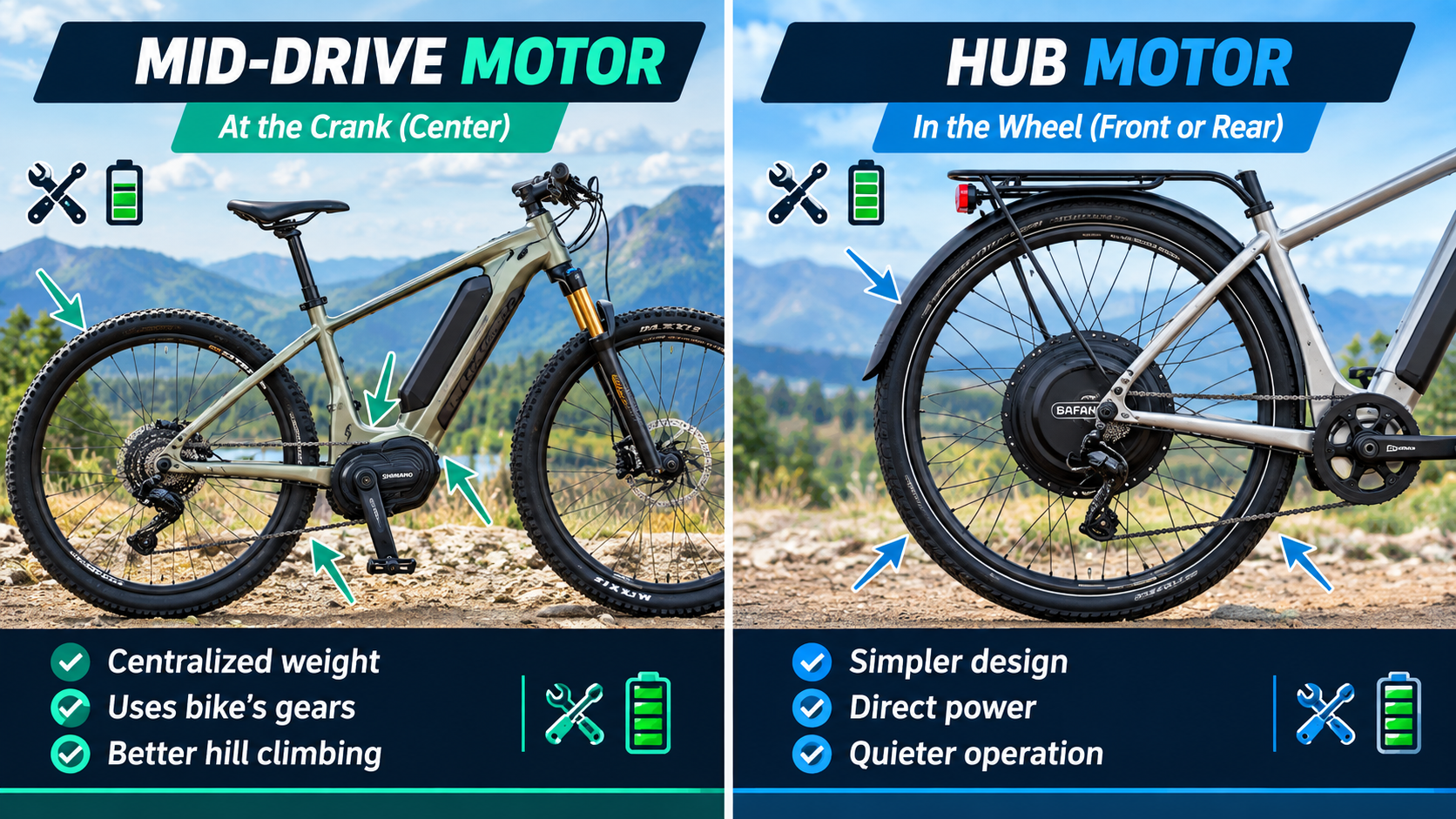
A mid-drive motor sits near the pedals and uses the bike’s own gears, giving better hill-climbing and balance.
A hub motor sits in the wheel, is simpler and cheaper, and works well for flatter routes.
Rear rack motors are mounted on the rear rack of an e-bike, providing a practical and space-saving way to add electric assistance without replacing the bike’s main frame components.”
Why does UL 2849 certification matter?
UL 2849 tests an e-bike’s battery, motor controller, and charger together as a complete electrical system rather than just checking one part in isolation, which is a stronger safety signal than a battery-only certification.
How far can I really ride on one charge?
A 400–500Wh battery typically delivers 30–50 miles under normal pedal-assist conditions, though hills, rider weight, cargo, and how much you use the throttle will shift that range significantly in either direction.
