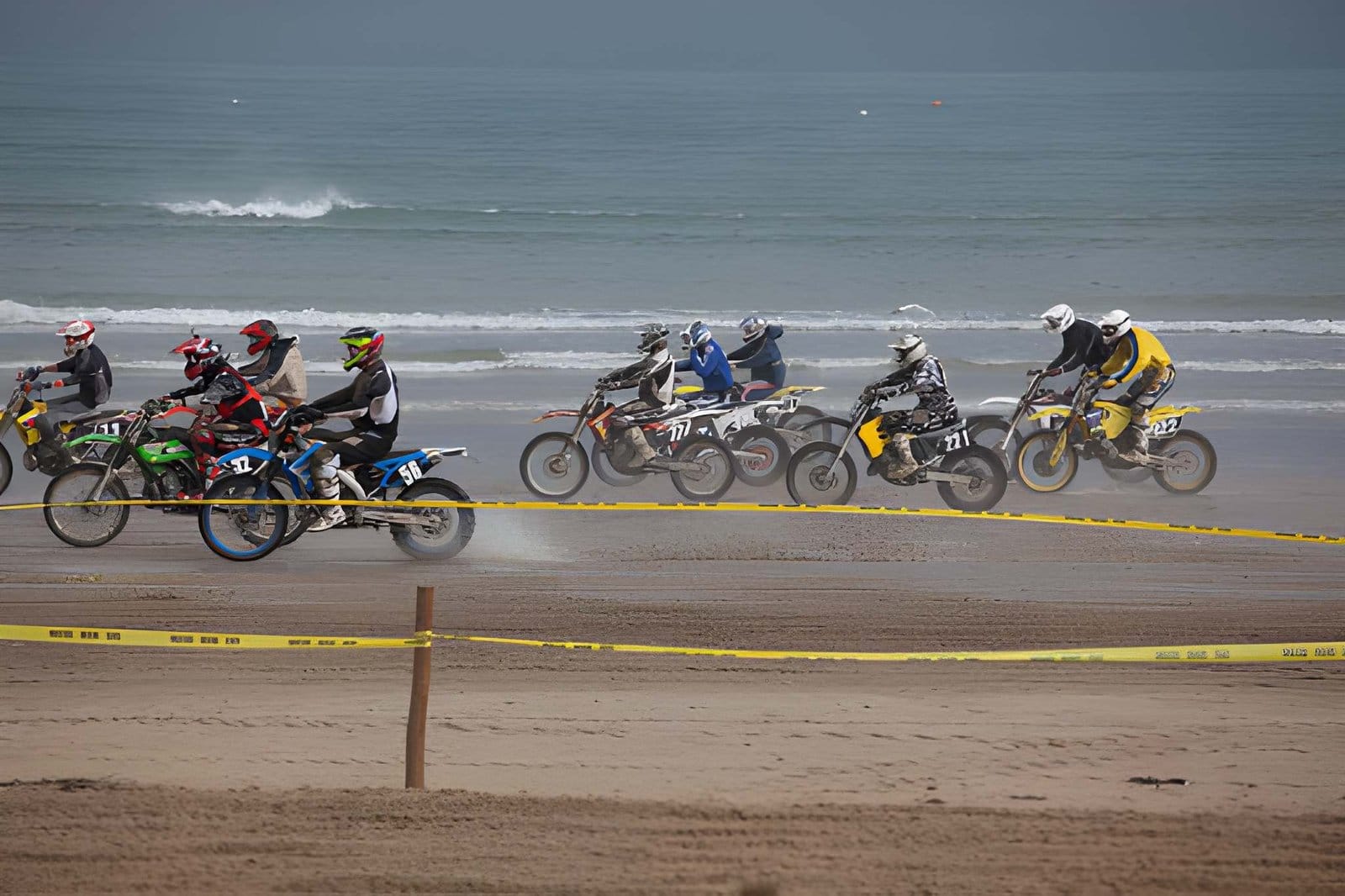
Finding your first local race can feel harder than actually riding it. You may see road races, criteriums, gravel events, mountain bike races, cyclocross, and track competitions, but the real question is simple: how to find a bike race near you that matches your experience, bike, and goals.
The good news is that you do not need to know the racing scene beforehand. With the right event directories, local cycling organizations, and a little research, you can find a suitable event and know what to expect before registration.
How to Find a Bike Race Near You
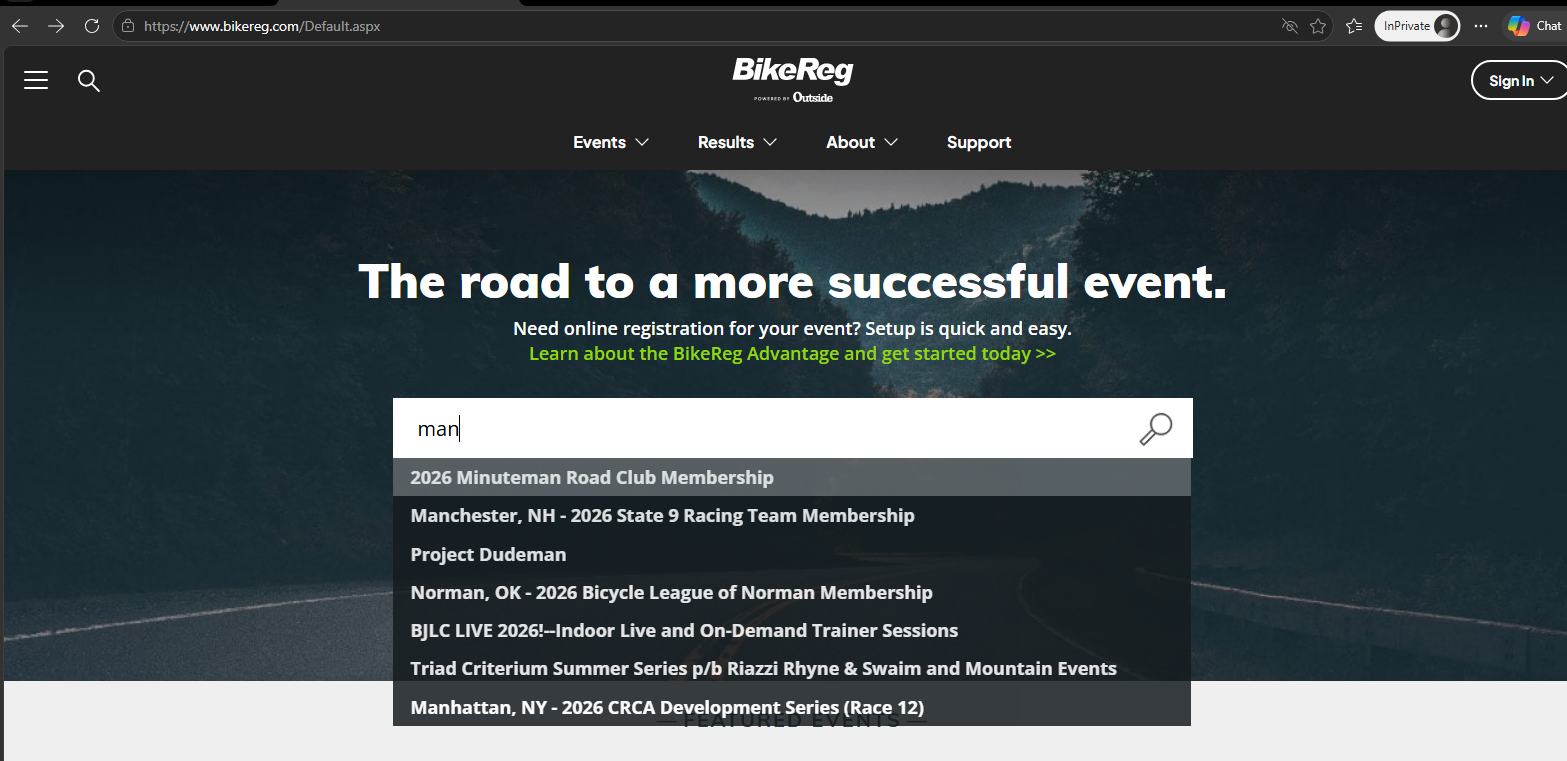
The easiest place to start is with a cycling event calendar. Look for a directory that lets you search by location, distance, and discipline. BikeReg, for example, lists upcoming cycling events and lets riders search for events near a chosen location.
You can also check the BikeRushHub Cycling Race Calendar for a broader overview of upcoming races. Use it to discover events first, then visit the official event or registration page for the final details.
Search by Location, Not Just Race Name
When you search for a race, start with your city, ZIP code, or region. Then expand the distance if you do not find anything close enough. A race that is 60 or 100 miles away may still be a practical weekend trip, especially when local events are limited.
BikeReg is useful for this because its event search can display events within a selected distance of a location. You can then narrow the results by categories such as road, mountain bike, gravel, cyclocross, or recreational events.
Choose the Right Type of Bike Race
Not every race is a good first race. Before registering, identify the discipline and course style that fit your current skills.
- Road races: Fast group racing on paved roads.
- Criteriums: Short, technical races on closed or controlled circuits.
- Mountain bike races: Off-road competition with climbs, descents, and technical terrain.
- Gravel races: Longer events on mixed-surface roads.
- Cyclocross: Short, technical races that combine riding with obstacles and running.
- Track races: Competitive events held on a cycling track.
If this is your first competitive event, do not choose a race only because it looks exciting online. Read the category requirements, distance, elevation, terrain, and technical difficulty first.

Check the Race Requirements Before You Register
One of the biggest beginner mistakes is finding an interesting race and registering before checking the rules. Depending on the event and governing body, you may need a racing license, membership, specific category, or other documentation.
For USA Cycling-sanctioned competitive events, riders need either an annual racing license or an eligible one-day license. USA Cycling explains that beginner one-day licenses are available for certain beginner categories, while experienced one-day licenses apply to higher categories.
If you are racing in the United States, check the official USA Cycling One-Day License information before paying your entry fee. Always confirm your license and category before you register for a race.
Read the Official Event Page Carefully
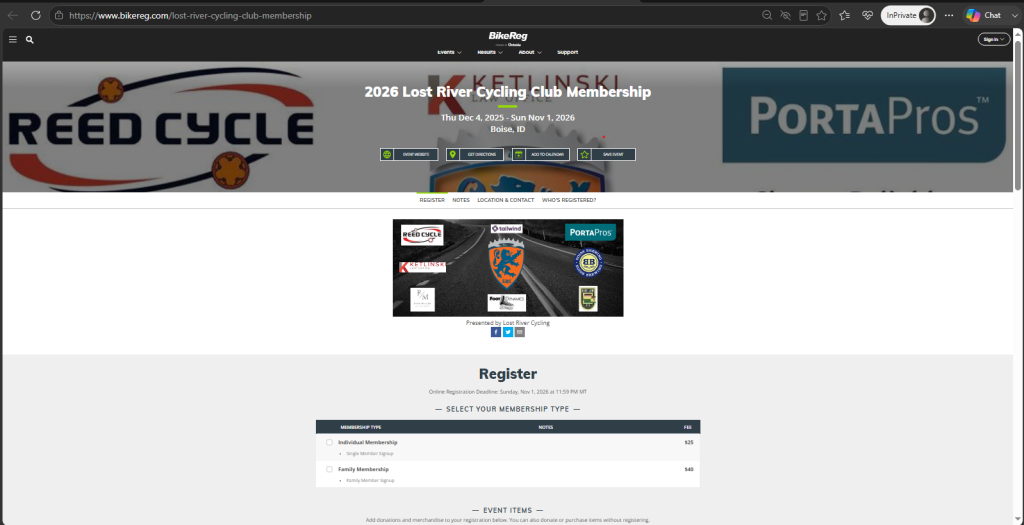
Race listings can give you the basic information, but the organizer’s official page is the final checkpoint. Confirm the start time, location, registration deadline, course information, categories, equipment rules, parking, and license requirements.
For first-time riders, USA Cycling’s First Race Day guide is also worth reading. It covers practical details such as registration, race numbers, warm-up, course hazards, nutrition, hydration, and what to carry on race day.
Use Local Cycling Clubs to Find Better Races
Online searches are useful, but local riders can save you a lot of trial and error. Cycling clubs often know which races are beginner-friendly, which courses are difficult, and which events have a welcoming atmosphere. Asking around locally is often the fastest way to find a bike race near you that actually fits your level.
Ask riders about the course, expected pace, parking, weather, and whether the event is suitable for someone racing for the first time. This kind of local knowledge is often more useful than a generic race listing.
Prepare Before Your First Race
Once you find a race, give yourself enough time to prepare. Your bike should be mechanically sound, with reliable braking, shifting, tires, and wheels. Bring a helmet, riding kit, shoes, nutrition, hydration, spare tubes or repair supplies, and anything required by the organizer.
USA Cycling also recommends arriving early, allowing time for parking and registration, warming up properly, and learning the course when permitted.
If you are still learning the basics of racing, USA Cycling’s First Time Racer resource is another useful starting point.
Frequently Asked Questions
How do I find a bike race near me?
Start with a cycling event directory such as BikeReg, then search by ZIP code, city, or region. You can also use the BikeRushHub race calendar to discover upcoming events.
What is the best bike race for a beginner?
The best first race depends on your discipline and experience. Look for an event with a beginner-friendly category, manageable distance, and terrain you already understand.
Do I need a racing license?
Requirements depend on the event and governing body. USA Cycling-sanctioned competitive events generally require an annual racing license or an eligible one-day license, so check the official event requirements before registering.
Final Takeaway: How to Find a Bike Race Near You
Learning how to find a bike race near you is mostly about knowing where to look and what to check. Start with a reliable event directory, search by location, choose a discipline that matches your skills, verify the official requirements, and talk to local riders when possible.
Your first race does not need to be your biggest race. Choose an event you can realistically prepare for, arrive early, learn the course, and focus on gaining experience. The goal is to finish your first race knowing exactly what you want to improve before the next one.
